
GaadiWaadi –

While Tata Motors is expanding its mass-market electric portfolio, Mahindra is concentrating on premium SUVs with higher margins
The electric PV market is entering a new trajectory as competition intensifies across multiple price brackets. Tata Motors and Mahindra remain the two largest domestic manufacturers in the segment but both companies have gone after distinctly different approaches to expand their respective EV business. Recent launches and future product plans ensure two contrasting philosophies with Tata pursuing scale while Mahindra concentrating on premium electric SUVs.
Tata Motors has built its electric vehicle business around a broad product portfolio serving different segments. The journey started with the Nexon EV before expanding to the Tiago EV, Tigor EV, Punch EV, Curvv EV and Harrier EV. The company has now consolidated its premium end with the recently launched Sierra EV enabling a real-world range of over 500 km.
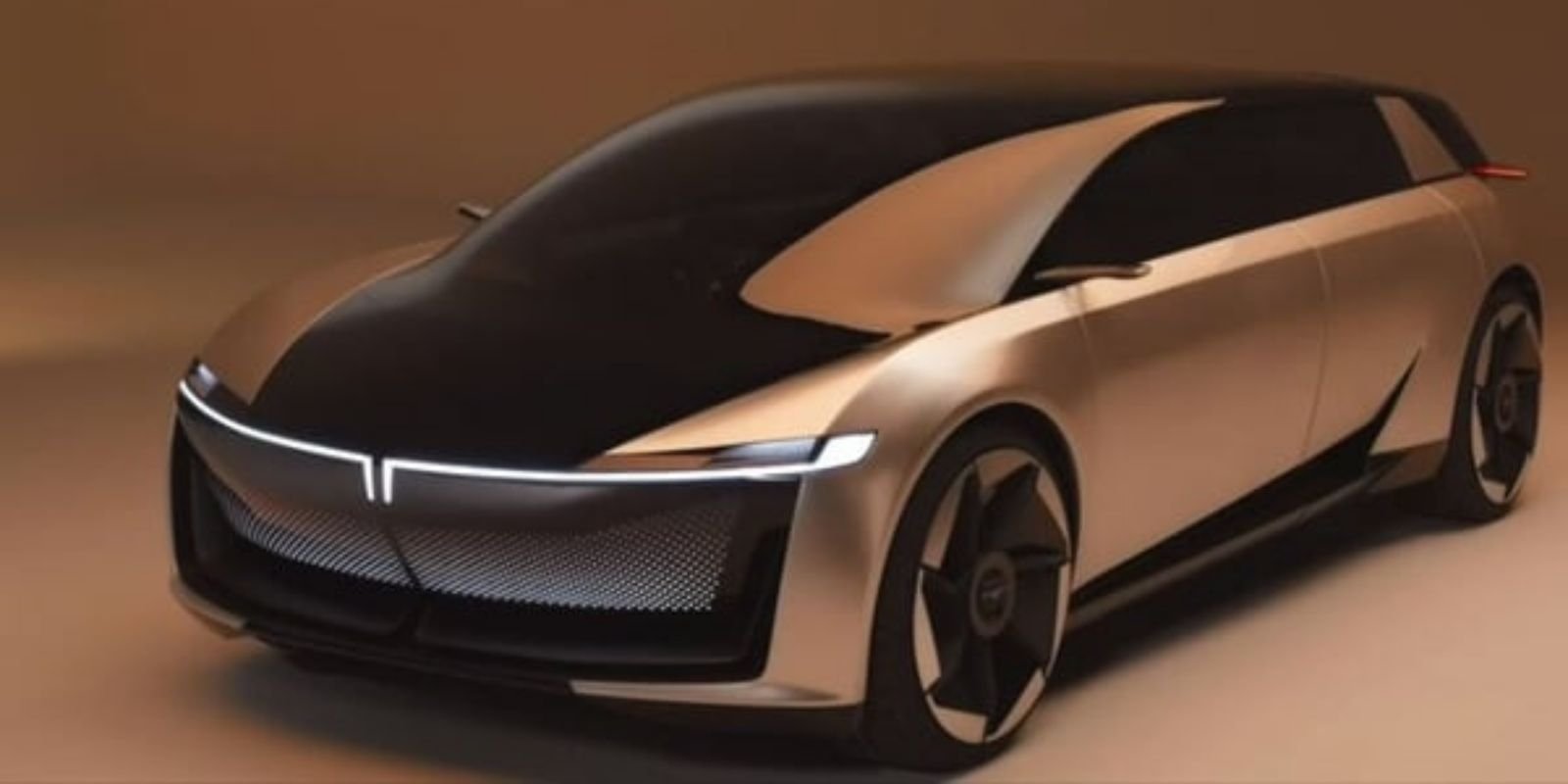
Offering electric vehicles across multiple price points, Tata is attempting to attract an expansive customer base while increasing overall EV penetration in the country. However, Tata’s future plans will give a preview of what is to come in the upper end of the spectrum too as the flagship Avinya range is being prepared to debut next year based on JLR-Chery based Freelander EV’s platform.

Mahindra has taken a different route already. Instead of covering every entry-level segment immediately, the company has concentrated on higher value electric SUVs under its born-electric architecture. The XEV 9e and BE 6 stick by the first phase of that strategy combining skateboard EV platforms, modern electronics, large battery packs and premium equipment.
Additional products including the BE 6 Rall-E, Vision S, Vision T and Vision SXT concepts have already given a sneak-peek of the direction Mahindra intends to follow over the next few years. The NU_IQ monocoque architecture and the upcoming BE 07 based EV will be amongst the major highlights as the former will give rise to multiple body types and powertrain options.

The gap between the two approaches is also apparent in product positioning. Tata’s portfolio stretches from affordable EVs to larger family SUVs whereas Mahindra has initially prioritised premium offerings with high performance, long driving range and higher transaction values. It allows both manufacturers to target different customer groups despite competing in the same market. However, both will apparently compete in almost all or most of the highly prospective segments.
The post Mahindra & Tata Embark On New EV Plans As They Look To Increase Sales appeared first on Gaadiwaadi.com – Latest Car & Bike News by Surendhar M.