
GaadiWaadi –

Delhi EV Policy 2026 boasts initiatives for infrastructure expansion, tax exemptions, scrappage incentives and alternative conversion options
To support the increasing transformation toward electrification, the Delhi Government is focusing on offering incentives as well as rapidly expanding the supporting ecosystem. Plans include increasing the number of public charging stations across key zones – enabling easier home charging solutions and setting up structured systems for battery recycling and disposal.
Alongside infrastructure, financial relief remains a major attraction for consumers. Electric vehicles registered in Delhi will continue to benefit from a complete waiver on road tax and registration charges until March 2030 – significantly reducing the overall cost of ownership and making EVs more accessible to majority of them.
The policy also takes into account consumers who may not want to scrap their vehicles outright. An alternative pathway is being considered in the form of retrofitting incentives where existing petrol or diesel cars can be converted into electric vehicles. The option could come with financial support of up to Rs. 50,000 – offering flexibility in the transition process.
Also Read: MG Spied Testing G-Wagon Inspired Compact Electric SUV In India, Launch Soon?

At the same time, the government is introducing a scrappage-linked incentive structure to directly remove polluting vehicles from circulation. Owners of older Delhi-registered vehicles, particularly those meeting BS-IV norms or earlier, will be eligible for monetary benefits if they scrap their vehicles at authorised centres and replace them with new EVs within a defined period.
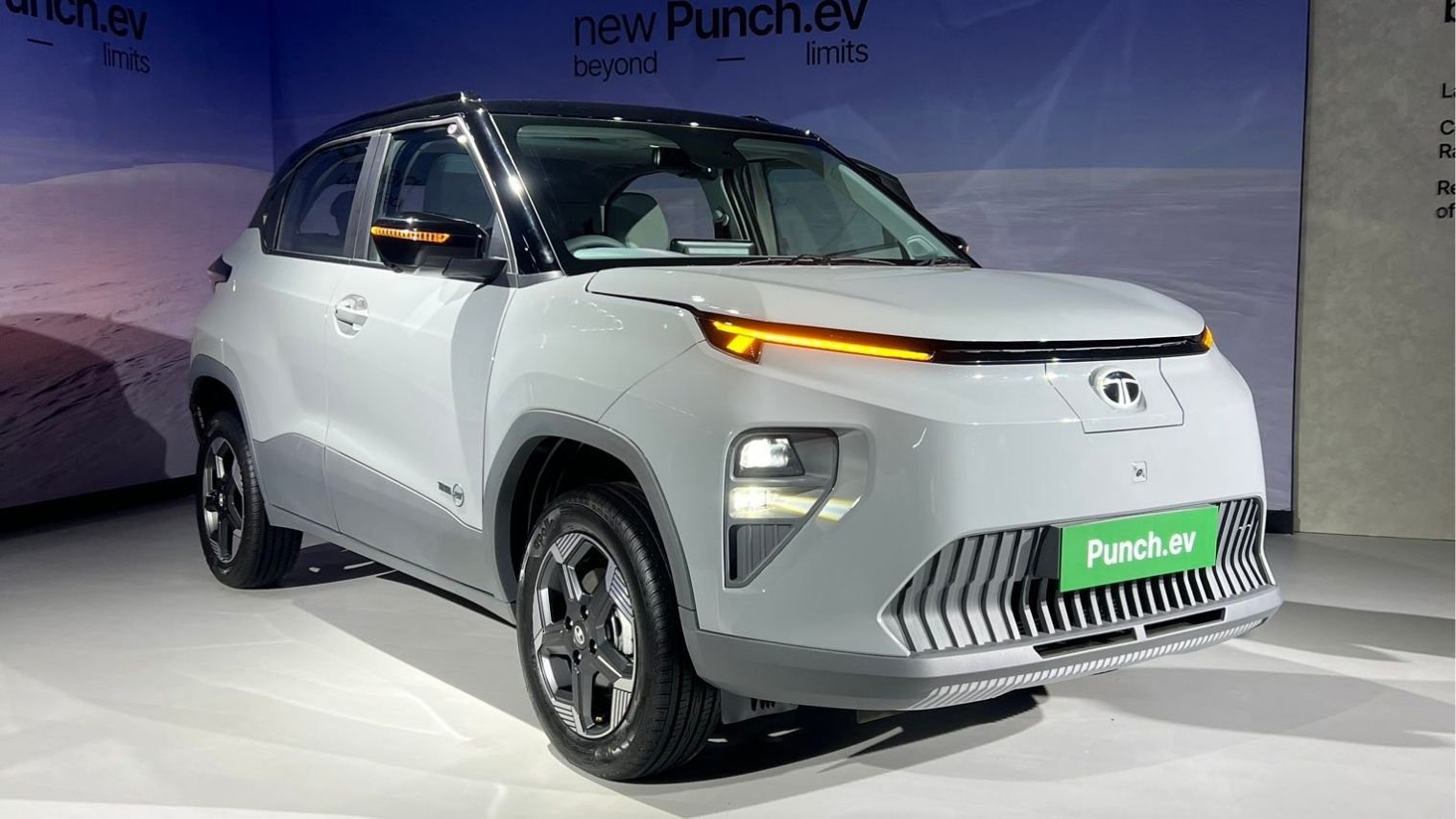
For private car owners, the incentives are particularly more attractive and could lure them into the transition. The zero-emission cars priced up to Rs. 15 lakh (ex-showroom) may qualify for benefits of up to Rs. 1 lakh. However, this advantage will be limited to a select number of applicants to encourage quicker adoption among prospective buyers.
Also Read: Honda Begins Pan-India Road Testing For Upcoming 0 α Electric SUV

The mass market segments have not been overlooked either under the new policy. Electric two-wheelers are expected to receive incentives of around Rs. 10,000 while electric three-wheelers could benefit from higher support of around Rs. 25,000. The updated policy shows a comprehensive approach that could benefit customers in the foreseeable future.
The post Delhi EV Policy 2026: Up To Rs. 1 Lakh Benefit For Switching From Old Cars To EVs appeared first on Gaadiwaadi.com – Latest Car & Bike News by Surendhar M.