
GaadiWaadi –

The first draft of the Delhi EV Policy 2026 promises significant incentives on the purchase of two-wheelers, four-wheelers and hybrid cars in the capital
The first draft of the Delhi Electric Vehicle (EV) Policy 2026-2030 has been released by the state government. The EV policy offers substantial incentives on the purchase of electric two-wheelers, electric cars, commercial models and hybrid cars. The Delhi government is asking for public feedback on the draft for the next 30 days. While two-wheelers and three-wheelers are provided maximum support and benefits, the cars, fleet operators and commercial vehicles are given limited incentives under the EV policy in Delhi.
Delhi EV Policy 2026-30: Two-Wheeler Benefits
Starting with electric two-wheelers, they are the biggest beneficiary of the Delhi Electric Vehicle (EV) Policy 2026. In the first year from the date of implementation of this policy, the e2w customers will get a maximum subsity of Rs 30,000 (Rs 10,000 per kWh), depending on the battery pack capacity. However, in the second and third years, the incentives are capped at Rs 20,000 (Rs 6,600 per kWh) and Rs 10,000 (Rs 3,300 per kWh), respectively.
Also Read: Tata Sierra To Gain New Variants And A More Compact SUV Sibling

As evident, the subsidy benefits are purely based on the size of battery. Furthermore, the ex-showroom price of electric scooter/motorcycle should be less than Rs 2.25 lakh to avail these benefits. The Delhi government will also give an additional scrappage amount of Rs 10,000 to the customers if they replace their existing BS4 or older ICE-powered vehicle with an electric two-wheeler.
If this draft finally comes into implementation without any modifications, several leading brands such as TVS (iQube and Orbiter), Bajaj (Chetak EV), Ather (Rizta and 450), Ola (S1 and Roadster X) and Hero (V2 and VX2) will be benefitted by up to a massive extent. Delhi government will allow new registration for only electric two-wheelers from April 2028 in the capital, which clearly indicates that petrol-powered scooters and motorcycles will be gradually phased out.
Delhi EV Policy 2026-30: Four-Wheeler Benefits
Unlike two-wheelers, the electric four-wheelers such as cars, SUVs and many others are not offered any direct benefits or subsidy in the draft of Delhi EV Policy 2026. Instead, the buyers are exempted from road tax and registration fees on the purchase of electric cars with ex-showroom price lower than Rs 30 lakh. Also, if a BS4 or older car is replaced with an all-electric car with ex-showroom price up to Rs 30 lakh, then the first 1 lakh customers will be provided an additional incentive of Rs 1 lakh.
Also Read: Mahindra To Launch Six New Models In 2026-27

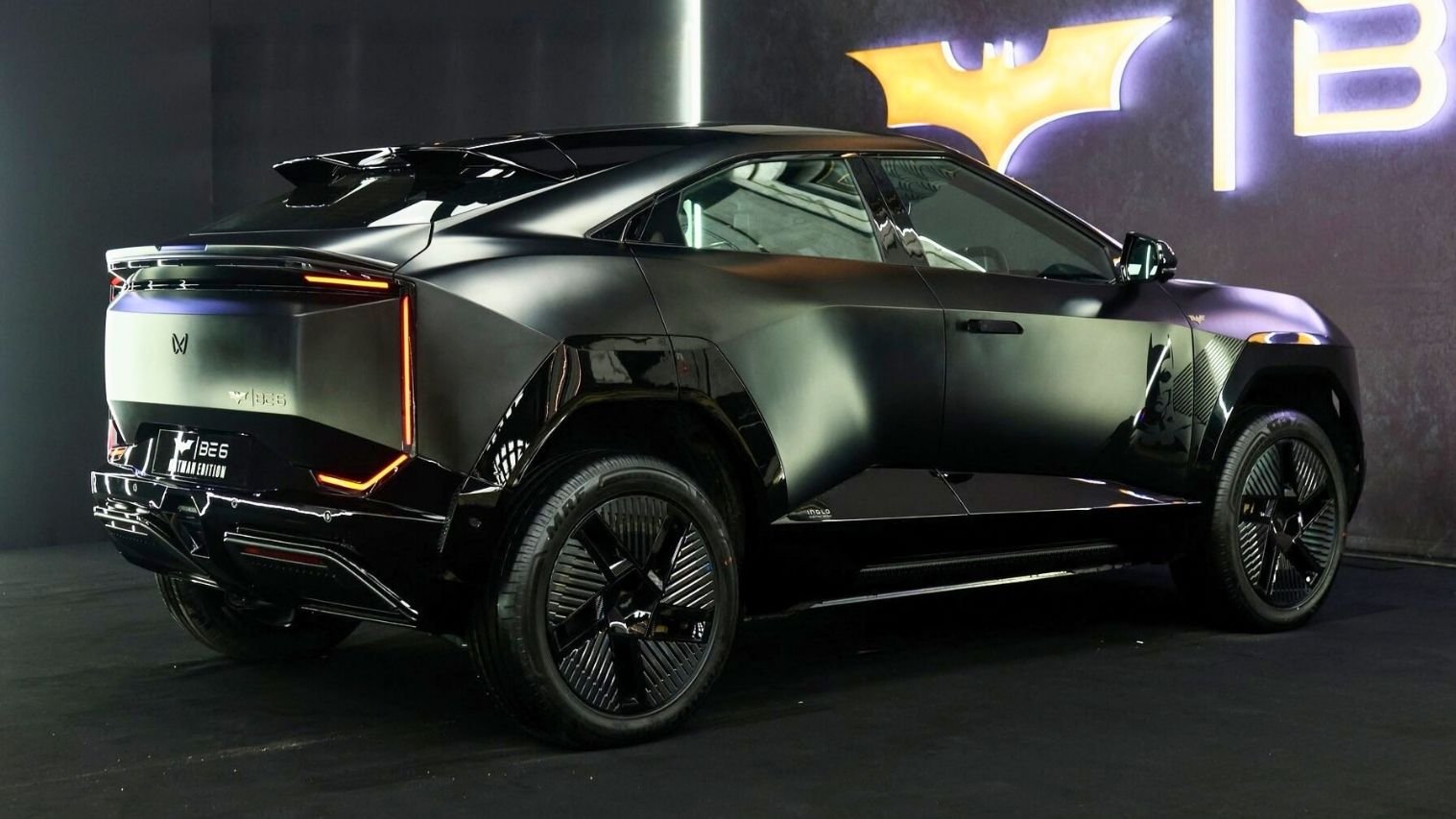
Despite not announcing any direct subsidy, this move will certainly benefit the customers as the on-road price of an EV will be more or less equal to their ICE-powered counterparts due to exemption in road tax and registration fees. Some of the popular EV models to get the benefit of this policy include Maruti e-Vitara, Hyundai Creta EV, Tata Nexon EV, Mahindra BE6, MG Windsor EV, Vinfast VF6, Tata Punch EV, Mahindra XEV 9e and Kia Carens Clavis EV.
Delhi EV Policy 2026-30: Hybrid Vehicle Benefits

The hybrid vehicles have also been included in the first draft of the Delhi EV Policy 2026-30. These models will get a waiver of 50 percent on road tax and registration fees. However, the maximum ex-showroom price, identical to the all-electric models, has been fixed at Rs 30 lakh. There is no scrappage benefits on offer under the EV policy on hybrid vehicles. A few popular models to get benefits from this move are Toyota Innova HyCross, Maruti Victoris, Toyota Urban Cruiser HyRyder, and Maruti Grand Vitara.
The post Delhi EV Policy 2026: Two-Wheelers, Four-Wheelers Subsidies Explained appeared first on Gaadiwaadi.com – Latest Car & Bike News by Team GaadiWaadi.